Oily skin can use facial oil. That may sound counterintuitive, but oiliness and hydration are not opposites, and avoiding every emollient does not automatically make oily skin happier.
The important part is choosing an oil with an elegant texture, using a small amount and paying attention to how your own skin responds.
Which oils suit oily skin?
Light botanical oils with a high proportion of linoleic acid are particularly appealing when you want conditioning without a heavy finish. Safflower, grapeseed and prickly pear seed oils all fall into this broad category.
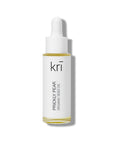
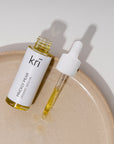
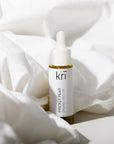
Our favourite is Prickly Pear Seed Oil. It is naturally rich in linoleic acid, tocopherols and phytosterols, yet feels remarkably light. One or two drops can leave skin soft and supple without turning a routine into a greasy one.
What if oily skin is dehydrated?
This is common because sebum and water are different things. If your skin becomes shiny but still feels tight, a water-based hydrating step may be more useful than simply stripping away more oil.
Start with Hydrate Moisture Serum, then moisturise according to what your skin needs. Add facial oil only if you want additional emollience.
And blemish-prone skin?
Being blemish-prone does not automatically rule out every facial oil, but individual response matters. If you are prone to congestion, introduce a new oil gradually rather than applying a generous layer on the first night.
Start with one drop, use it on a small area or only a few evenings a week, and see how your skin behaves.
How to use facial oil without overdoing it
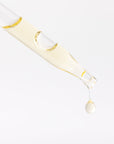
For oily or combination skin, less really is more. Use one or two drops after your water-based serum or moisturiser. You may prefer it only in the evening, on drier areas, or during colder weather.
The aim is not to coat the skin in oil. It is to add just enough conditioning for skin to feel comfortable. If that is what you want, a lightweight oil such as Prickly Pear Seed Oil is an excellent place to start.