Hyaluronic Acid for Skin: Benefits & How to Use It

Hyaluronic Acid for Skin: Benefits & How to Use It

Hyaluronic acid is one of the best-known ingredients in skincare, and for good reason. It is used in everything from lightweight serums to rich moisturisers because it is particularly effective at helping skin attract and retain water.

But despite its familiarity, there is still plenty of confusion about what hyaluronic acid actually does, whether you need it, and how it fits into a skincare routine.

Here’s the simple version.

What is hyaluronic acid?

Hyaluronic acid is a naturally occurring substance found throughout the body, including the skin, where it plays an important role in maintaining hydration.

In skincare, hyaluronic acid is used as a humectant. Humectants attract and bind water, helping the skin maintain its moisture content.

The name can sound more intimidating than the ingredient actually is. Hyaluronic acid is not an exfoliating acid like glycolic or salicylic acid. It is primarily a hydrating ingredient.

You will also often see sodium hyaluronate on an ingredient list. This is a salt form of hyaluronic acid that is widely used in skincare formulations.

What does hyaluronic acid do for skin?

The most obvious benefit is hydration.

When skin is well hydrated, it tends to look smoother, fresher and more supple. Fine lines can also appear less noticeable when the skin's surface is properly hydrated.

This is why hyaluronic acid is so popular in products designed to improve the appearance of dehydrated or tired-looking skin.

It can also make skincare feel more comfortable. When skin feels tight or dry, adding a well-formulated hydrating serum can make a noticeable difference to how the skin feels throughout the day.

Does hyaluronic acid have anti-ageing benefits?

Hydration is not the same thing as reversing skin ageing, but well-hydrated skin generally looks smoother and more supple.

Research has also investigated topical hyaluronic acid formulations for improvements in the appearance of fine lines, wrinkles and skin elasticity.

For that reason, we think it is entirely reasonable to include hyaluronic acid in an anti-ageing routine. It simply has a different role from ingredients such as Vitamin C or Bakuchiol, which are used more specifically for antioxidant care and visible signs of ageing.

A good routine can contain all of these ingredients without needing to become complicated.

Is hyaluronic acid good for dry skin?

Yes, particularly if your skin is dehydrated.

It is important to distinguish between dry and dehydrated skin, however. Dry skin is generally associated with a lack of oil, while dehydrated skin lacks water.

Hyaluronic acid addresses the latter by helping the skin retain water. If your skin is both dry and dehydrated, combining a humectant such as hyaluronic acid with a moisturiser containing emollient ingredients can provide a more complete approach.

This is one reason we use both hydrating and moisturising ingredients across the Krī range.

Can oily or combination skin use hyaluronic acid?

Absolutely. Hyaluronic acid is not an oil and does not add a heavy or greasy layer to the skin. It can therefore be particularly useful for combination or oily skin that still needs hydration.

In fact, skin can be oily and dehydrated at the same time. If you tend to avoid moisturising products because you dislike anything heavy, a lightweight hydrating serum can be an easy way to add hydration without adding a rich texture.

How should you use hyaluronic acid?

Hyaluronic acid is straightforward to incorporate into a routine.

Apply a hydrating serum after cleansing, then follow with your moisturiser. In the morning, finish with sunscreen.

You don't need to build an elaborate routine around it. Hyaluronic acid works perfectly well as part of a simple skincare routine alongside other purposeful products.

If your serum already contains a balanced combination of humectants and moisturising ingredients, there is also no need to mist your face repeatedly throughout the day.

Hyaluronic acid vs sodium hyaluronate

You'll often see both terms used when talking about skincare.

Hyaluronic acid is the broad name used for a family of naturally occurring molecules, while sodium hyaluronate is a salt form commonly used in cosmetic formulations.

Different forms can have different molecular weights and characteristics, which is one reason formulators may use more than one form in a product.

For you as a consumer, however, the important thing is much simpler: look at the finished formulation rather than assuming that one form is automatically better than another.

The quality and overall balance of the formula matter more than choosing a product simply because it lists a particular form of hyaluronic acid.

Where does hyaluronic acid fit into your routine?

Hyaluronic acid belongs in the hydration part of your routine.

A simple routine might look like this:

Cleanse → Hydrate or Treat → Moisturise → Protect

You can use a dedicated hydrating serum at this stage, or choose a moisturiser that already contains hyaluronic acid.

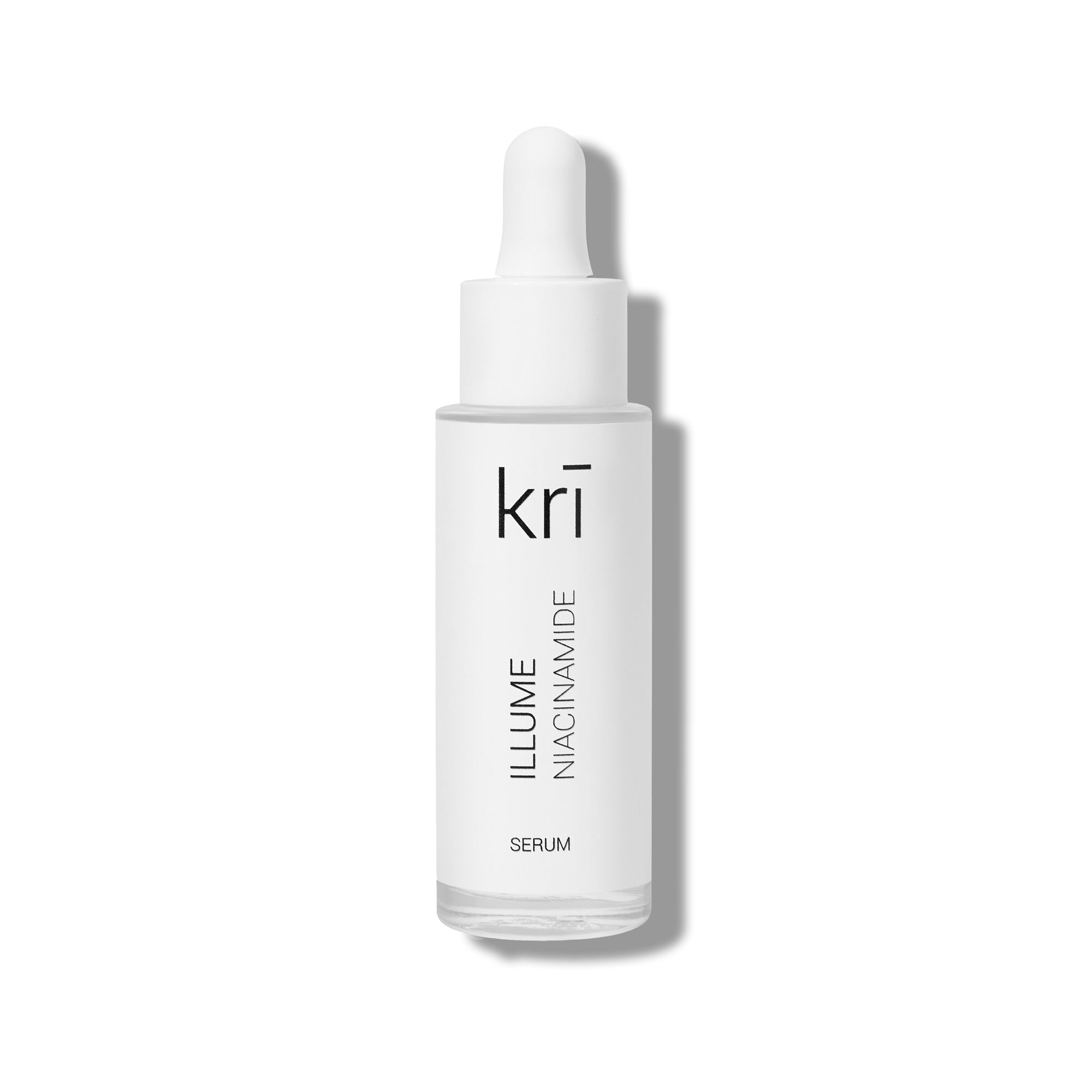
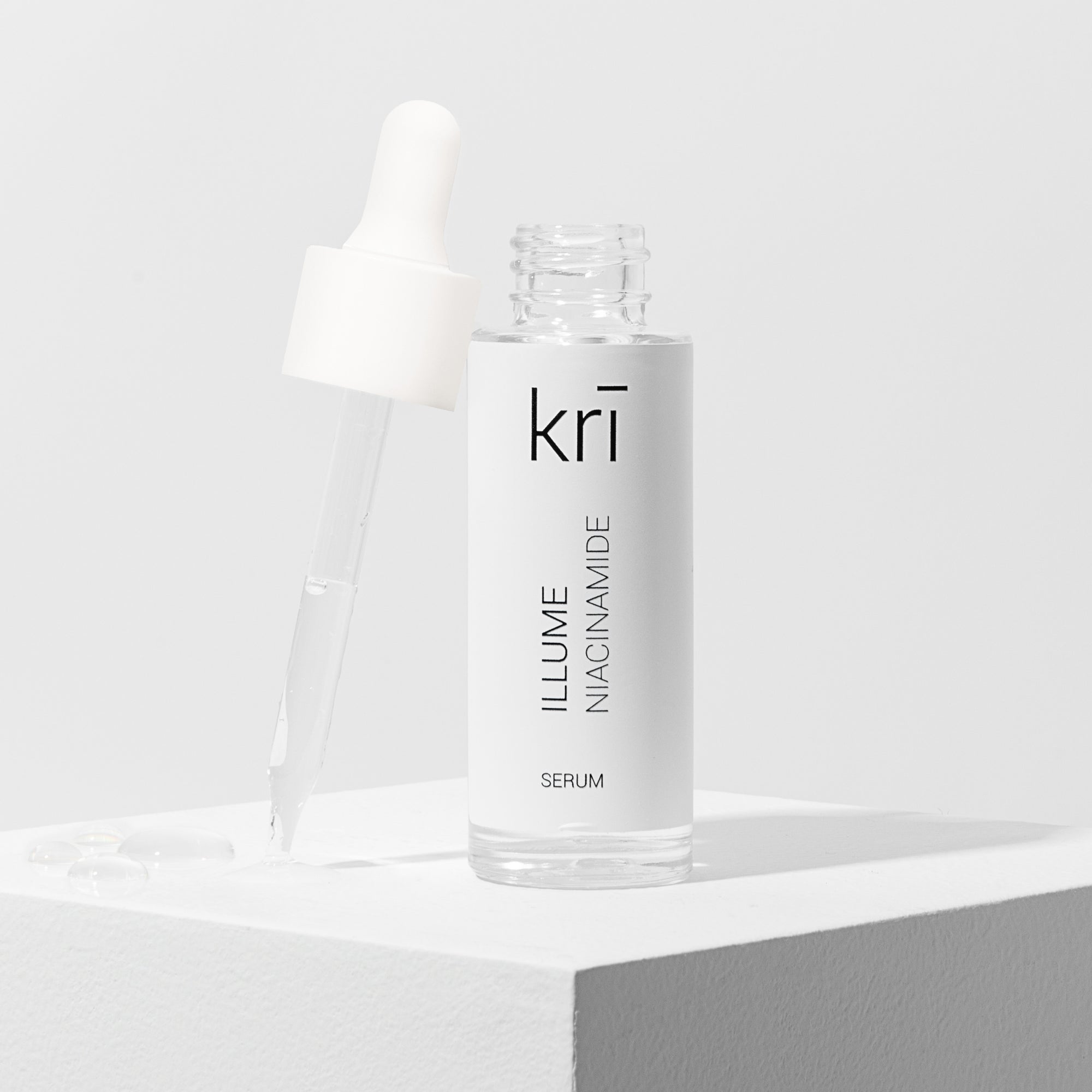
At Krī, we use sodium hyaluronate in all of our hydrating formulations, including Illume Niacinamide Serum, Hydrate Moisture Serum, Timeless Moisturiser and Endless Moisturiser.

The role is straightforward: help provide the hydration that leaves skin feeling softer, smoother and more comfortable.

Do you need a hyaluronic acid serum?

Not necessarily. This is an important part of our approach to skincare. You don't need a separate product for every ingredient.

If your moisturiser already provides sufficient hydration and your skin feels comfortable, you may not need another hyaluronic acid product.

A dedicated serum makes more sense when your skin needs additional hydration or when you prefer a lightweight layer underneath your moisturiser.

Choose according to what your skin needs rather than building your routine around a list of fashionable ingredients.

Why we use hyaluronic acid

Hyaluronic acid is a good example of an ingredient that doesn't need to be overcomplicated.

It has a clear purpose, a strong history of use in skincare and a useful role in maintaining hydrated, comfortable-looking skin.

We use it alongside other purposeful ingredients rather than treating it as a miracle ingredient that needs to do everything.

Good skincare is about the formulation as a whole.

Older Post Newer Post

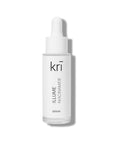
Illume Niacinamide Serum
$33.00 USD Sale Save

30ml / 1 fl. oz

Adding to Cart Added to Cart

A lightweight daily serum designed to hydrate, smooth and brighten the appearance of skin, while supporting the skin barrier and helping to improve the visible signs of ageing.

Niacinamide is combined with hyaluronic acid and glycerin to leave skin feeling hydrated, comfortable and supple, with a smoother, more even-looking appearance.

Suitable for all skin types, including sensitive and mature skin.

5% Niacinamide · Hyaluronic Acid · Fragrance-free

A simple formula with a lot of purpose. We don't think every serum needs a long ingredient list. Illume brings together three ingredients with clear roles:

✓ 5% Niacinamide
Supports the skin barrier and improves the appearance of texture, pigmentation, redness and fine lines.

✓ Glycerin
A naturally derived humectant that helps attract and retain moisture.

✓ Sodium Hyaluronate
A form of hyaluronic acid that helps hydrate the skin.

The remaining ingredients are there to create a stable, well-preserved formula.

Nothing unnecessary.

---

Aqua (water)
Niacinamide (strengthens skin barrier)
Glycerin (humectant from vegetable sources, organic)
Sodium hyaluronate (humectant)
Gluconolactone (stabiliser)
Lactic acid (ph adjuster)
Sodium benzoate (preservative)
Calcium gluconate (stabiliser)

Apply 2–3 drops to cleansed skin on the face and neck.

Gently press into the skin and allow to absorb before applying moisturiser.

Illume can be used morning and evening. If using it in the morning, follow with sunscreen.

It layers easily with other skincare and works particularly well alongside a simple routine of cleanser, serum, moisturiser and sunscreen.