Everything you need to know about niacinamide

Niacinamide: What Does It Do for Your Skin?

Niacinamide is one of the most versatile and well-researched ingredients in skincare.

Also known as nicotinamide, it is a form of vitamin B3 that has been widely studied for its benefits for the skin. It can help support the skin barrier, improve the appearance of uneven tone and texture, and reduce the visible signs of ageing.

It is also remarkably easy to incorporate into a skincare routine, making it one of those ingredients that can earn its place in almost any bathroom cabinet.

So what does niacinamide actually do for your skin?

What is niacinamide?

Niacinamide is a water-soluble form of vitamin B3.

The skin naturally contains vitamin B3 derivatives, which are involved in a number of important cellular processes. Topical niacinamide has been studied extensively in skincare, with research covering skin barrier function, pigmentation, texture, redness and visible signs of ageing.

Unlike some skincare ingredients that are associated primarily with one particular concern, niacinamide is genuinely multifunctional.

That's what makes it so useful.

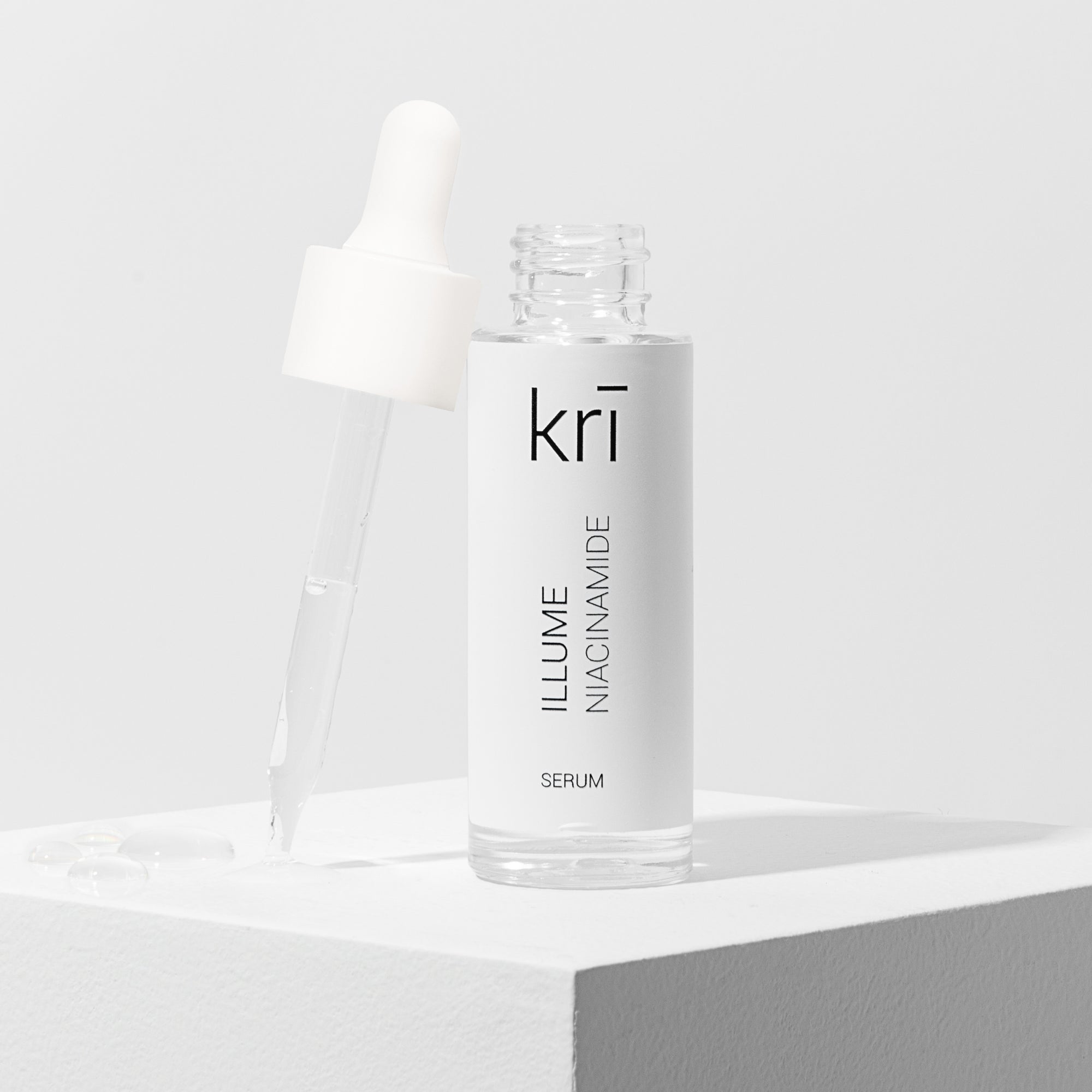
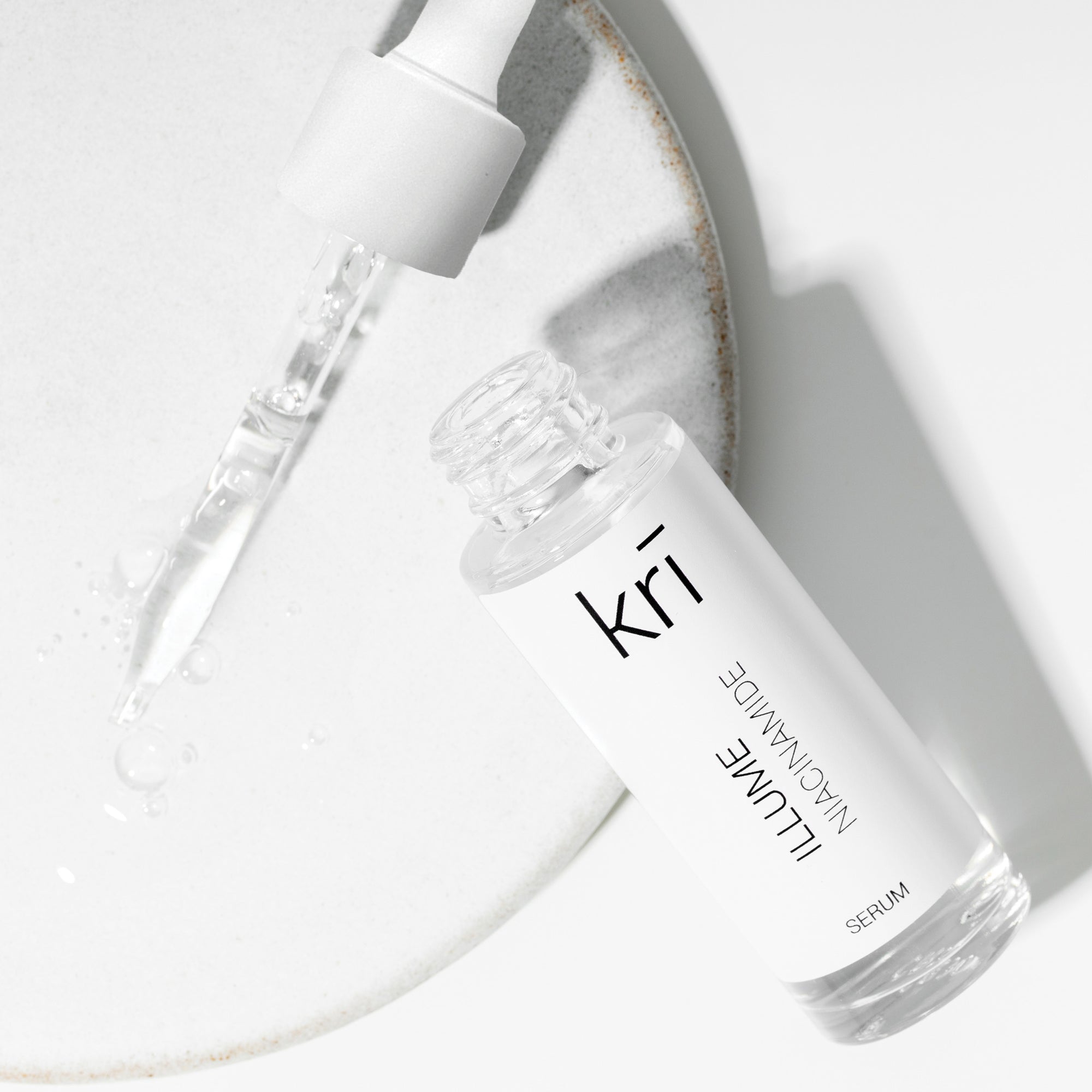
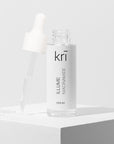
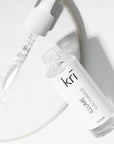
Illume Niacinamide Serum

What does niacinamide do for skin?

Supports the skin barrier

A healthy skin barrier is fundamental to comfortable, well-hydrated skin.

Research suggests that topical niacinamide can support barrier function and increase the skin's ability to retain moisture. It has also been associated with improvements in the skin's lipid and ceramide content.

For the consumer, the benefit is simple: skin that feels more comfortable, supple and resilient.

Helps improve the appearance of fine lines and wrinkles

Niacinamide isn't just an ingredient for younger or blemish-prone skin.

It has been studied extensively in ageing skin, with clinical research showing improvements in the appearance of fine lines, wrinkles, texture and elasticity.

In a 12-week double-blind clinical study, a moisturiser containing 5% niacinamide significantly improved the appearance of fine lines and wrinkles, hyperpigmented spots, texture, redness and skin sallowness compared with the control formulation.

This makes niacinamide a particularly interesting ingredient for anyone concerned with visible signs of ageing.

Helps even the appearance of skin tone

Uneven pigmentation can make skin look older, duller and less even.

Niacinamide has been investigated for its ability to improve the appearance of hyperpigmentation. Research suggests that one of its effects is reducing the transfer of melanosomes from melanocytes to keratinocytes, rather than simply inhibiting melanin production itself.

Clinical studies have reported improvements in the appearance of hyperpigmented spots following regular topical use.

The result we're interested in is straightforward: skin that looks brighter and more even.

Helps improve the appearance of skin texture

Smooth-looking skin is one of the hallmarks of a healthy complexion.

Niacinamide has been shown in clinical research to improve the appearance of skin texture, alongside improvements in fine lines and pigmentation.

This makes it useful when skin looks rough, uneven or generally less refined than it once did.

Helps balance the appearance of oily skin

Niacinamide is also popular with people whose skin tends to look oily or congested.

Research has investigated its effects on sebum production and inflammatory processes, making it a useful ingredient for routines designed for combination or oily skin.

Importantly, this doesn't mean niacinamide is only for oily skin.

Its ability to support the barrier and improve the appearance of ageing skin makes it equally relevant to dry, mature and combination skin.

Is niacinamide good for mature skin?

Yes it is. In fact, this is one of the reasons we think niacinamide deserves more attention from people looking for anti-ageing skincare.

As skin ages, several changes become more visible: fine lines and wrinkles, uneven pigmentation, rougher texture, redness and loss of elasticity.

Clinical studies have found improvements across several of these concerns with topical niacinamide.

It also supports the skin barrier, which becomes increasingly important when skin feels drier or more easily irritated.

So while niacinamide is often marketed towards younger, blemish-prone skin, it is a remarkably useful ingredient for mature skin too.

Does niacinamide have antioxidant properties?

Niacinamide is involved in the skin's NAD+ and NADP+ coenzyme systems, which are important to cellular energy metabolism and defence processes. Research has also investigated its antioxidant and protective effects. 

We wouldn't position it as a substitute for a dedicated antioxidant serum, but it is another reason niacinamide works so well as an everyday skincare ingredient.

What percentage of niacinamide is best?

More isn't necessarily better.

Niacinamide has been studied at a range of concentrations, and clinical research has demonstrated benefits from relatively modest percentages. A 5% formulation, for example, has demonstrated improvements in the appearance of wrinkles, pigmentation, texture and redness in clinical studies.

The quality of the overall formulation matters too.

At Krī, Illume contains 5% niacinamide alongside hydrating ingredients, while Timeless contains 3% niacinamide as part of a lightweight daily moisturiser.

We don't believe skincare needs to become a competition over percentages.

The goal is a well-formulated product that you enjoy using consistently.

Can you use niacinamide with Vitamin C?

Can you use niacinamide with Vitamin C?

Absolutely. Niacinamide and Vitamin C can be used together in the same skincare routine.

The idea that these ingredients shouldn't be combined largely comes from outdated concerns based on older formulations and laboratory conditions that don't reflect the way modern skincare products are formulated.

There is no general reason to avoid using niacinamide alongside Vitamin C.

In fact, they can make a useful combination: Vitamin C provides antioxidant care and can help brighten the appearance of skin, while niacinamide supports the skin barrier and helps improve the appearance of tone and texture.

If you're using a Vitamin C serum in the morning, niacinamide can be applied before it if the niacinamide product is water-based, followed by moisturiser and sunscreen.

Can you use niacinamide every day?

Niacinamide is generally well suited to regular use and can be incorporated into both morning and evening routines.

For a simple routine:

Cleanse → Niacinamide serum → Moisturise → Sunscreen in the morning

You don't need to use multiple niacinamide products. If you're using Illume, for example, you don't necessarily need another niacinamide-containing serum or moisturiser on top.

Can you use niacinamide with other skincare ingredients?

One of niacinamide's advantages is how easily it fits into a broader skincare routine.

It can be used alongside ingredients such as hyaluronic acid, Vitamin C, Bakuchiol and facial oils.

As always, the overall routine matters more than trying to combine as many active ingredients as possible.

Good skincare is about choosing ingredients that complement what your skin actually needs.

Is niacinamide suitable for sensitive skin?

Niacinamide is generally considered a well-tolerated skincare ingredient and has been studied across a range of skin types. Reviews of the clinical literature describe it as having a favourable tolerability profile.

That doesn't mean every formulation will suit every person.

If your skin is particularly sensitive, introduce any new product gradually and pay attention to how your skin responds.

Why we use niacinamide at Krī

We like ingredients that earn their place. Niacinamide is one of them.

It supports the skin barrier, helps improve the appearance of tone and texture, provides antioxidant support and has genuine research behind its use for visible signs of ageing.

That combination makes it useful across a remarkably broad range of skin types and concerns.

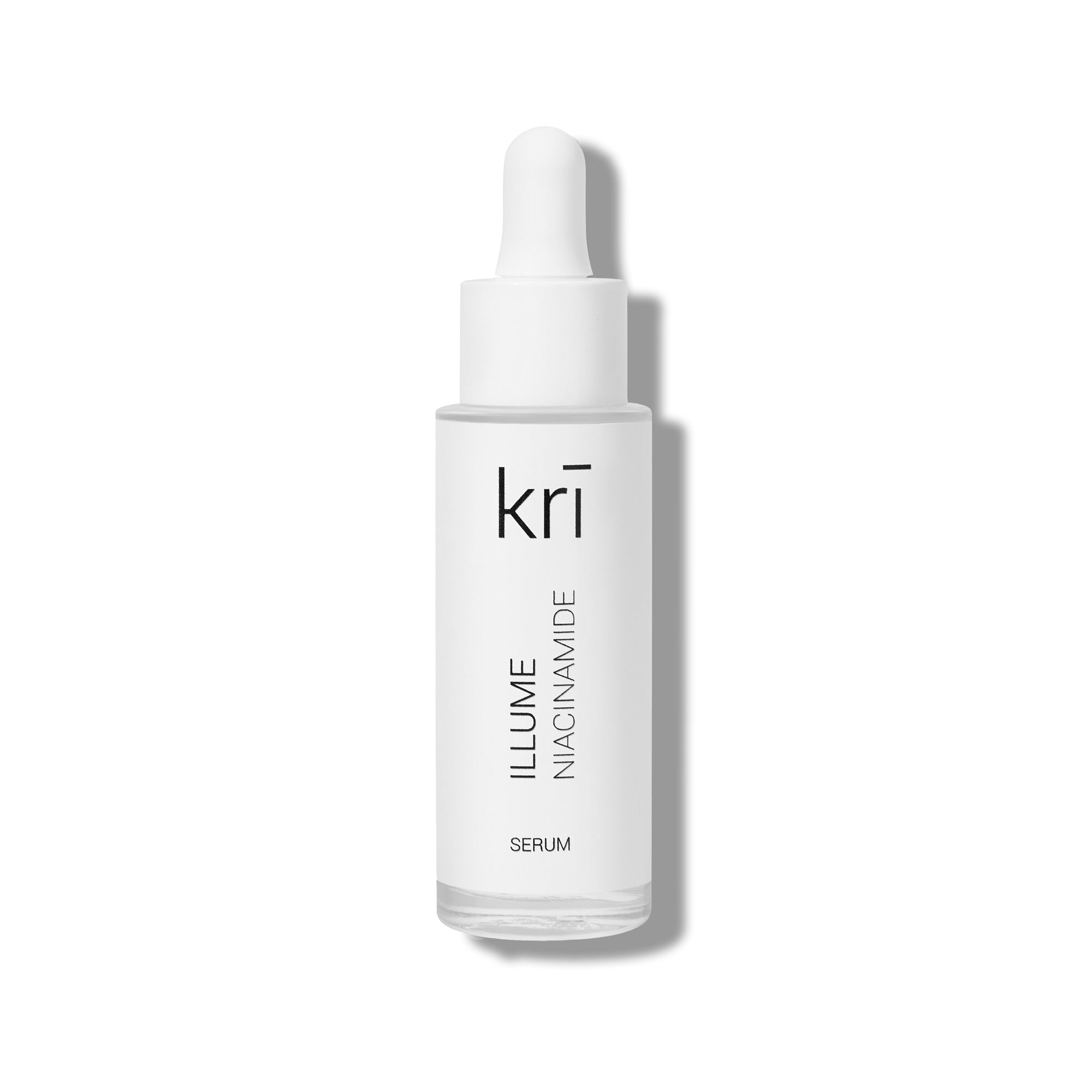
Our Illume Niacinamide Serum contains 5% niacinamide alongside glycerin and sodium hyaluronate for a lightweight, hydrating serum designed to leave skin looking smoother, brighter and more even.
Timeless Moisturiser contains 3% niacinamide alongside organic prickly pear seed oil and hydrating ingredients, making it an easy way to incorporate niacinamide into an everyday moisturising routine.

Older Post Newer Post

Illume Niacinamide Serum
$33.00 USD Sale Save

30ml / 1 fl. oz

Adding to Cart Added to Cart

A lightweight daily serum designed to hydrate, smooth and brighten the appearance of skin, while supporting the skin barrier and helping to improve the visible signs of ageing.

Niacinamide is combined with hyaluronic acid and glycerin to leave skin feeling hydrated, comfortable and supple, with a smoother, more even-looking appearance.

Suitable for all skin types, including sensitive and mature skin.

5% Niacinamide · Hyaluronic Acid · Fragrance-free

A simple formula with a lot of purpose. We don't think every serum needs a long ingredient list. Illume brings together three ingredients with clear roles:

✓ 5% Niacinamide
Supports the skin barrier and improves the appearance of texture, pigmentation, redness and fine lines.

✓ Glycerin
A naturally derived humectant that helps attract and retain moisture.

✓ Sodium Hyaluronate
A form of hyaluronic acid that helps hydrate the skin.

The remaining ingredients are there to create a stable, well-preserved formula.

Nothing unnecessary.

---

Aqua (water)
Niacinamide (strengthens skin barrier)
Glycerin (humectant from vegetable sources, organic)
Sodium hyaluronate (humectant)
Gluconolactone (stabiliser)
Lactic acid (ph adjuster)
Sodium benzoate (preservative)
Calcium gluconate (stabiliser)

Apply 2–3 drops to cleansed skin on the face and neck.

Gently press into the skin and allow to absorb before applying moisturiser.

Illume can be used morning and evening. If using it in the morning, follow with sunscreen.

It layers easily with other skincare and works particularly well alongside a simple routine of cleanser, serum, moisturiser and sunscreen.